1. Receiving the Prophecy from Dipankara Buddha
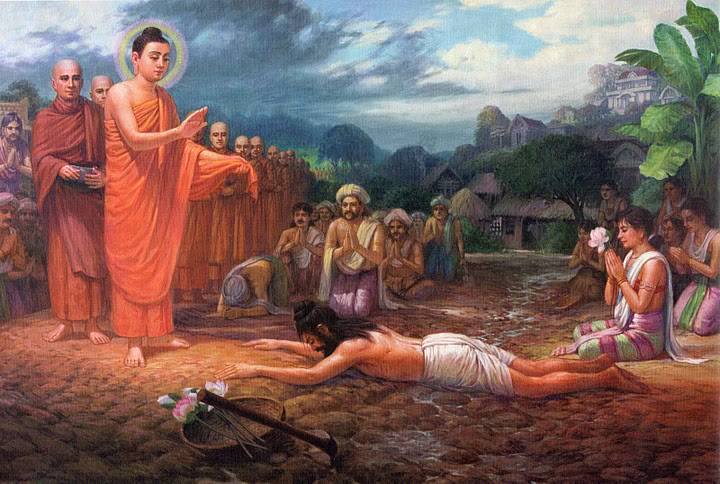
In a previous life, the Bodhisatta (Buddha-to-be) was the ascetic Sumedha. Upon encountering the past Buddha, Dipankara, he made a great offering and laid down his own hair for the Buddha to walk upon. Moved by this profound act of faith, Dipankara Buddha prophesied that Sumedha would become a fully enlightened Buddha named “Gautama” in an era 100,000 world-cycles in the future.
2. Fulfilling the Ten Perfections (Paramis)
From the moment of the prophecy, the Bodhisatta spent 100,000 world-cycles diligently perfecting the Ten Perfections across countless lifetimes:
- Dāna Pāramī: Perfection of Generosity
- Sīla Pāramī: Perfection of Morality
- Nekkhamma Pāramī: Perfection of Renunciation
- Paññā Pāramī: Perfection of Wisdom
- Viriya Pāramī: Perfection of Energy
- Khanti Pāramī: Perfection of Patience
- Sacca Pāramī: Perfection of Truthfulness
- Adhiṭṭhāna Pāramī: Perfection of Determination
- Mettā Pāramī: Perfection of Loving-kindness
- Upekkhā Pāramī: Perfection of Equanimity
3. Descent from the Tusita Heaven
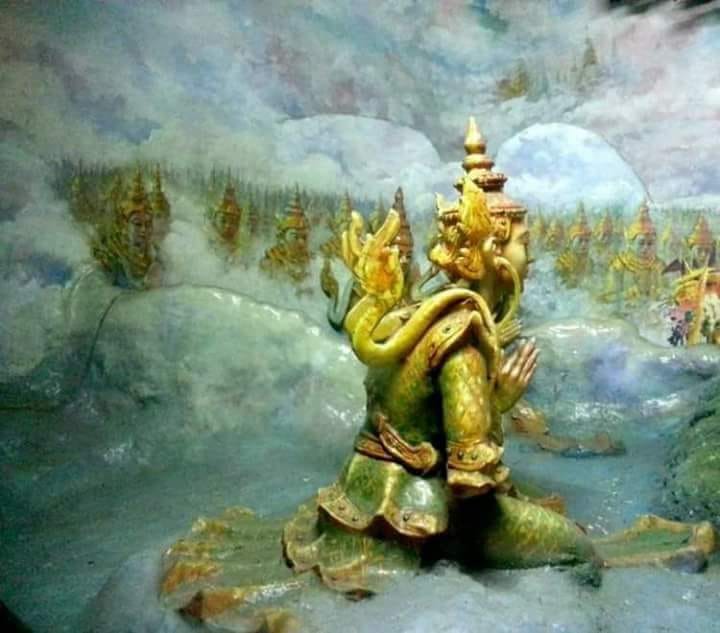
When the Perfections were fully matured, the Bodhisatta was residing in the Tusita Heaven. The deities appealed to him, stating that the time was right for him to be reborn in the human world to attain Buddhahood. He chose his parents: King Suddhodana of the Shakya clan and Queen Maha Maya of the Devadaha dynasty.
4. Conception and Birth
The Bodhisatta descended into the womb of Queen Maha Maya as a pure white elephant in her dream. The pregnancy was marked by the queen’s heightened virtue and tranquility. In 624 BCE, on the full moon day of Vesakha (May), while traveling to her parental home, the queen gave birth in the Lumbini Grove. Immediately after birth, the prince took seven steps and declared, “I am the foremost in the world; this is my final birth.”

5. Early Life as a Prince
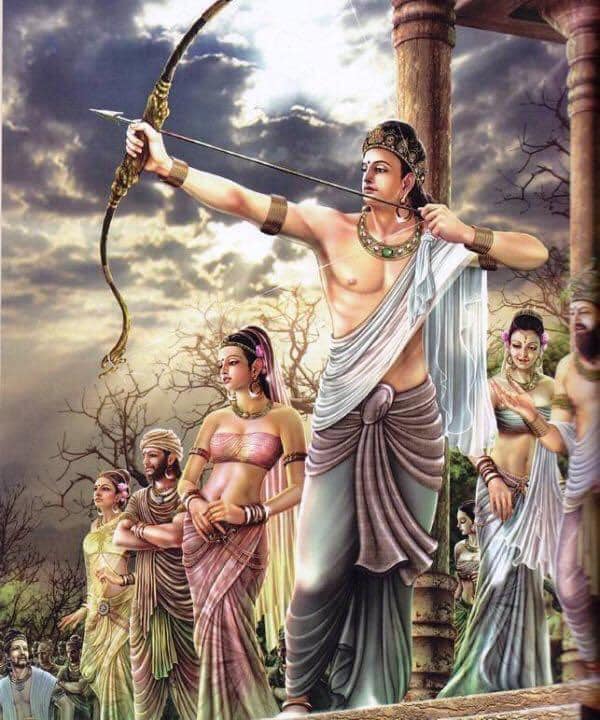
Seven days after his birth, Queen Maha Maya passed away, and the prince was raised by her sister, Maha Pajapati Gotami. Named Siddhattha Gotama, he mastered all the worldly arts and sciences. He married the beautiful Princess Yasodhara (also known as Subhadra), and they had a son, Rahula. Despite his life of luxury, he became deeply aware of the suffering inherent in existence.
6. The Four Sights and the Great Renunciation
At the age of 29, Prince Siddhattha encountered the “Four Sights” during his chariot rides: an old man, a sick man, a dead body, and a serene ascetic. These sights revealed to him the inescapable truths of old age, sickness, and death, and the possibility of a path beyond them. Resolving to find the cause of and end to suffering, he renounced his royal life, leaving his family and palace behind to become a wandering ascetic.

7. The Spiritual Quest and Austerities
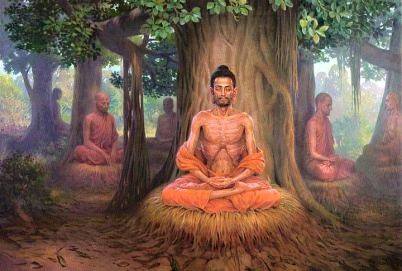
For six years, the ascetic Gotama sought enlightenment. He studied under two renowned teachers, Alara Kalama and Uddaka Ramaputta, mastering high levels of meditative absorption but finding these states did not lead to final liberation. He then turned to extreme ascetic practices in the forest of Uruvela, pushing his body to the brink of death. Realizing that such self-mortification was not the path, he abandoned it and began to eat nourishing food to regain his strength, resolving to find the Middle Way.
8. Attainment of Enlightenment (Bodhi)
At the age of 35, on the full moon night of Vesakha, the Bodhisatta sat in unwavering meditation under the Bodhi tree in Bodh Gaya. Over the course of the night, he attained three supreme knowledges:
- The knowledge of his past lives (Pubbenivāsānussati Ñāṇa).
- The divine eye, seeing the passing away and rebirth of beings according to their karma (Dibbacakkhu Ñāṇa).
- The knowledge of the destruction of the mental intoxicants (Āsavakkhaya Ñāṇa), penetrating the Four Noble Truths.
At dawn, he was fully enlightened, becoming the Buddha, the “Awakened One.”

9. The First Sermon: Setting the Wheel of Dhamma in Motion
After his enlightenment, the Buddha journeyed to the Deer Park in Sarnath. There, he delivered his first discourse, the Dhammacakkappavattana Sutta (The Setting in Motion the Wheel of Truth), to his five former companions. This event marked the beginning of the Buddha’s 45-year ministry and the establishment of the Sangha, the community of monks and nuns.

10. The Great Passing Away (Parinibbana)
At the age of 80, in the city of Kushinagar, the Buddha lay down between two Sal trees and attained Parinibbana, the final passing away beyond the cycle of rebirth. His last words were an exhortation to his followers: “All conditioned things are subject to decay. Strive on with diligence!” His physical body ceased to exist, but the Dhamma (his teachings) and the Sangha (his community) remain as a guide for the world.

 Buddha Center Moscow